
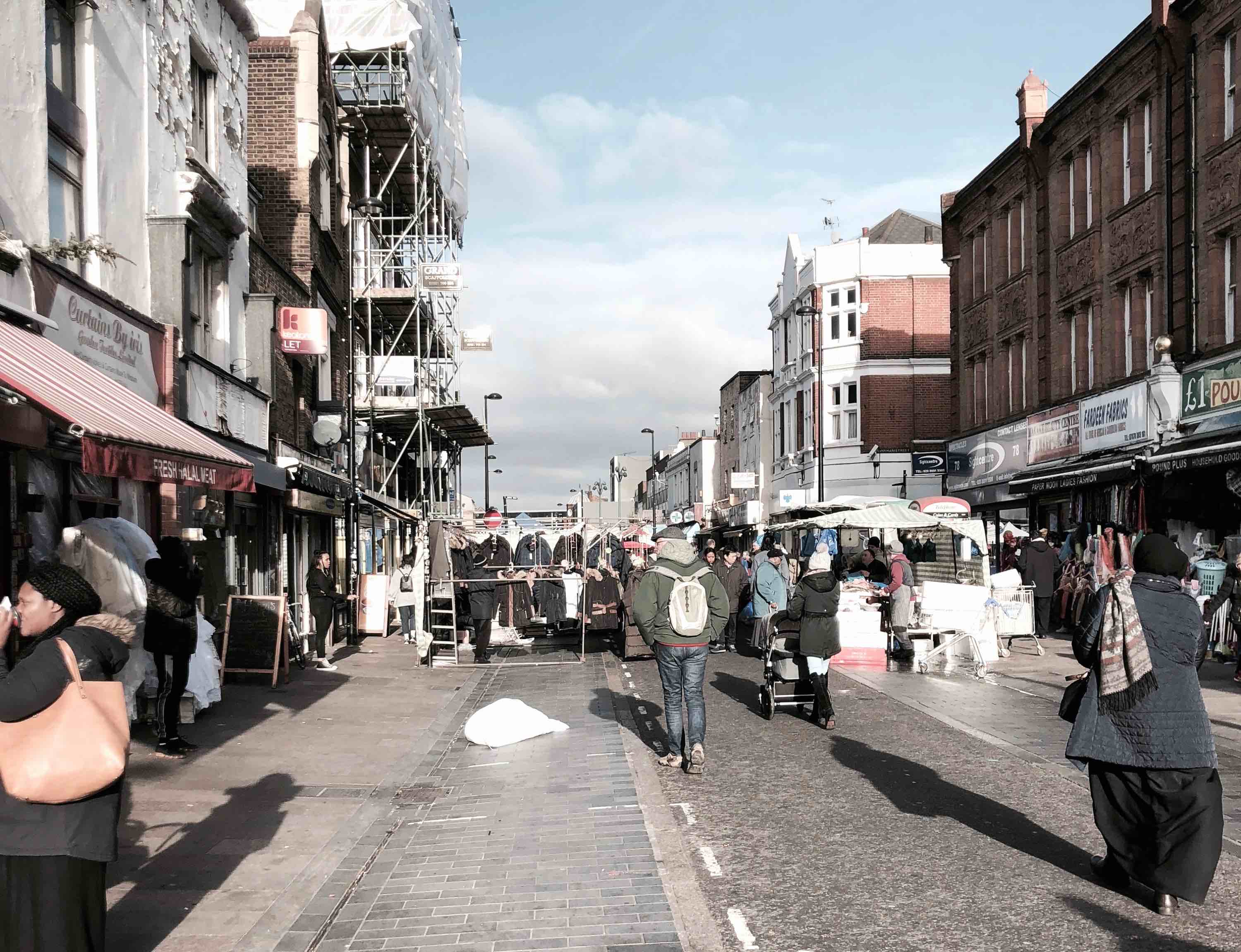
The High Street has historically served as the focal point of neighbourhoods, cities, and towns, playing a crucial role in local economies and community life. However, over the past decade, digitalisation and the rise of online shopping have significantly impacted its viability, a trend exacerbated by the COVID-19 pandemic. Many High Streets have experienced widespread retail closures, disrupting the continuity of the shopping experience and diminishing their economic vitality.
In response, the composition of High Streets has evolved, with charity shops, cafés, and restaurants increasingly replacing traditional retail outlets. This shift has sparked extensive debate on the future role of these spaces, with discussions centring on the integration of live-work environments, housing, pop-ups, workshops, and cultural venues. While some question the High Street’s long-term relevance, many still value the in-person shopping experience, which extends beyond retail transactions to include engagement with shopfronts, the tactile exploration of products, incidental social interactions, direct experience of products, passively meeting or watching other people, and street-level events. These qualities align with Baudelaire’s concept of the ‘flâneur’—the urban wanderer who derives pleasure from observing and participating in city life. For many, particularly those experiencing social isolation, such an environment remains an essential aspect of social wellbeing.
However, the sustainability of the High Street depends on achieving a critical mass of activity, which has been disrupted by retail decline and is not easily restored. Given its historical and symbolic role as a civic and economic anchor, a kind of a ‘heart’, there is a pressing need to rethink the function and identity of the High Street to ensure it remains a dynamic and inclusive space for the community, contribute to their integration, wellbeing and progress. We should understand the role of each High Street in its local area and the broader context, the economic, social and urban qualities it embraces, the challenges it faces, its uniqueness and opportunities to create a vibrant, adaptable, and diverse environment that meets the needs of 24-hour urban life..
©Platforms
Photo R. Alkhani: Deptford High Street, London