
-Plan Statement to Copenhagen Municipal Plan Strategy and Sustainable Development Strategy
Copenhagen, Denmark 2006 – 2007
As a part of her earlier portfolio as a City Planner and Project Manager working in the City of Copenhagen from 2006 to 2009, Dr. Roudaina Alkhani led an interdisciplinary municipal working group focused on developing a justification report for a new Sustainable Copenhagen Municipal Plan Strategy, providing input and coordinating efforts across the different departments. It was the first time Copenhagen gets a dedicated strategy focused on Sustainable Development.
Background
In 2000, the Danish Ministry of Environment mandated that the Municipal Council publish a Planning Strategy as the first step of the municipal plan-making process. The purpose was to focus development around prioritised aims and conclude with a decision to revise the municipal plan.
A Strategic Approach to Sustainable Cities
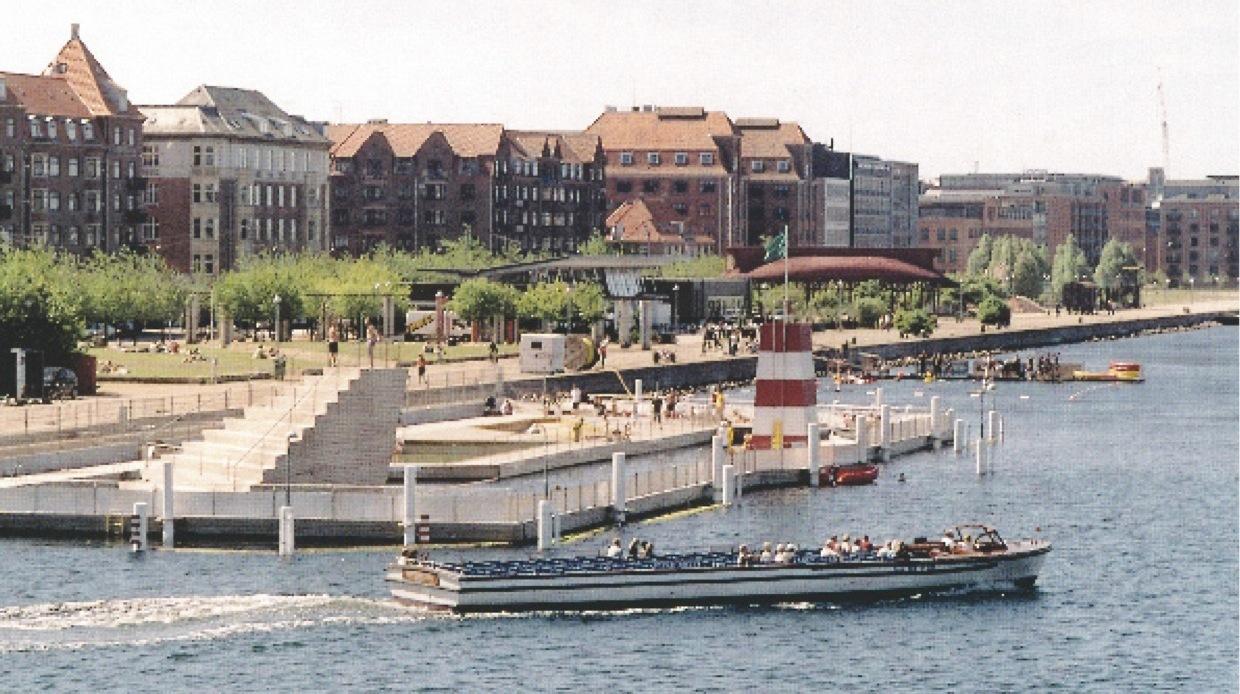
Planning for Copenhagen required understanding the challenges facing the sustainable development of the city and the opportunities for its development while building on Copenhagen’s strengths, plans, and initiatives. Despite progress on the environmental front, Copenhagen faced challenges; mainly increasing CO2 emissions, car traffic and energy consumption, lack of affordable housing and segregation, and underused potential by the water. Addressing these challenges and looking ahead to a carbon-neutral city that accommodates its key residents and provides vibrant environments required a strategic approach to prioritise goals, efforts, and resources.
Analytical and Integrated Approach
The work required strategic contextual analysis and layering and cross-reading of information, such as of the quality of Copenhagen neighbourhoods, the quality of the housing offer and its affordability, and the reasons key Copenhageners move out of the city.
Roudaina and the team closely identified challenges and opportunities for a city that is environmentally sustainable, economically viable and socially diverse, while building on its locational potentials as a city by the water and emphasising a holistic approach to coastal areas’ planning and management.
The work concluded that a healthy, low-carbon city with a high-quality public realm, green spaces, and clean harbour water is crucial for residents’ quality of life and for attracting businesses. This led to identifying a number of strategies that continue to impact the city’s development, for example, a strategy to reduce CO2 through a new parking strategy, relieving spaces for better public realm design and people in the inner city. Additional planning strategies were also identified to reduce commuting through mixed-use and compact city approaches.
Collaborative Planning Process
The process integrated workshops and public debates, involving residents, business communities, housing associations, and public and private organisations providing input to the planning process.
Can we help you draw up your borough/city strategy (CDS, SDS)?
Can we help you clarify your vision, priorities, and actions in the framework of your local planning and resources?
Following Dr Alkhani’s work on Copenhagen she continued to develop capacity in strategic approaches applied in different contexts and scales and through both practice and Higher Education teaching in London, where she worked in collaboration with local authorities and explored localising the SDGs and Climate Resilience Agenda. We would love working with you!
Please get in touch for a non-committed talk with Roudaina Alkhani (roudaina.alkhani@platforms.uk.com) if you need to hear more about Strategic Planning applied to your area.
Link – Strategic Planning